

ESG in Africa: Why It Matters for Companies in Côte d’Ivoire
Blog post description.
4/23/20262 min read
Environmental, Social, and Governance (ESG) is no longer just a global trend — it is becoming a business requirement for companies operating in Africa.
In Côte d’Ivoire, increasing regulatory expectations, investor pressure, and international standards are pushing organizations to integrate ESG into their operations.
But for many companies, ESG remains unclear:
Is it mandatory?
How does it relate to compliance?
Where should you start?
This article explains what ESG means in practice and why it is becoming essential for businesses in Côte d’Ivoire.
What is ESG?
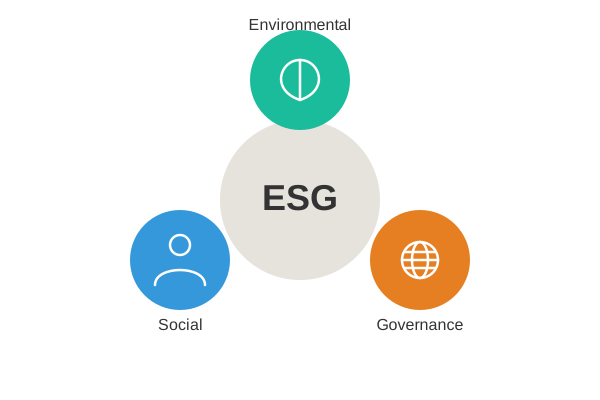
ESG stands for:
Environmental: managing environmental impact (emissions, waste, resources)
Social: protecting workers, communities, and stakeholders
Governance: ensuring transparency, ethics, and accountability
👉 ESG is not separate from compliance — it builds on it.
ESG and Regulatory Compliance: Strongly Linked
Many ESG requirements are rooted in existing regulations, including:
Environmental protection laws
Occupational health and safety obligations
Labor and social regulations
Standards such as ISO 14001 and ISO 45001 already align closely with ESG principles.
👉 This means:
Strong EHS compliance is the foundation of ESG performance
Why ESG is Growing in Côte d’Ivoire
1. Increasing Regulatory Expectations
Authorities are strengthening:
environmental regulations
industrial safety requirements
compliance enforcement
Companies are expected to:
manage risks proactively
ensure transparency
demonstrate accountability
2. Investor and Partner Requirements
International investors and partners increasingly require:
ESG reporting
compliance with international standards
proof of responsible operations
👉 Companies without ESG frameworks may lose business opportunities.
3. Access to Financing
Banks and development institutions are integrating ESG criteria into their decisions.
👉 Strong ESG performance can:
facilitate access to funding
improve financing conditions
4. Reputation and Market Advantage
Companies that demonstrate ESG commitment:
build trust with stakeholders
strengthen their brand
gain competitive advantage
Common ESG Challenges for Companies
Many organizations struggle with:
Identifying relevant ESG requirements
Collecting and structuring data
Linking ESG to operations
Maintaining compliance over time
👉 ESG often fails because it is treated as a reporting exercise, not an operational system.
From ESG Strategy to Operational Reality
To be effective, ESG must be:
Structured
Measurable
Integrated into daily operations
This requires:
clear identification of obligations
monitoring of compliance
traceable documentation
👉 In practice, this starts with a strong compliance foundation.
How RegAlertCI Supports ESG Implementation
RegAlertCI helps companies translate ESG expectations into actionable compliance processes.
✔ Regulatory Identification
Identify all applicable environmental and social obligations
✔ Digital Legal Register Platform
Centralize ESG-related requirements and ensure traceability
✔ Compliance Tracking
Monitor implementation and performance across obligations
✔ Regulatory Monitoring
Stay aligned with evolving ESG-related regulations
✔ Audit Readiness
Prepare for ESG audits, certifications, and reporting requirements
Practical Steps to Start ESG in Your OrganizatIdentify applicable EHS and social regulations
Build a structured Legal Register
Assess your current compliance status
Implement monitoring and tracking
Prepare for audits and reporting
Conclusion
ESG is no longer optional — it is becoming a core business requirement in Côte d’Ivoire and across Africa.
Companies that invest early in structured compliance systems will:
reduce risks
improve performance
access new opportunities
strengthen their market position
👉 ESG starts with compliance — and evolves into a strategic advantage.
Call to Action
👉 Ready to structure your ESG approach?
Request a demo with RegAlertCI and build a strong foundation for sustainable compliance.